If you are ready to get help, you might have read about the viability of inpatient rehab programs especially compared to outpatient programs. But now you want to know: how long are inpatient programs?
Understanding a rehab length of stay can help you determine whether or not you can afford that much time away from work, family, or other personal responsibilities. Thankfully, there are multiple rehab program length options to fit different schedules and needs.
What is an Inpatient Program?
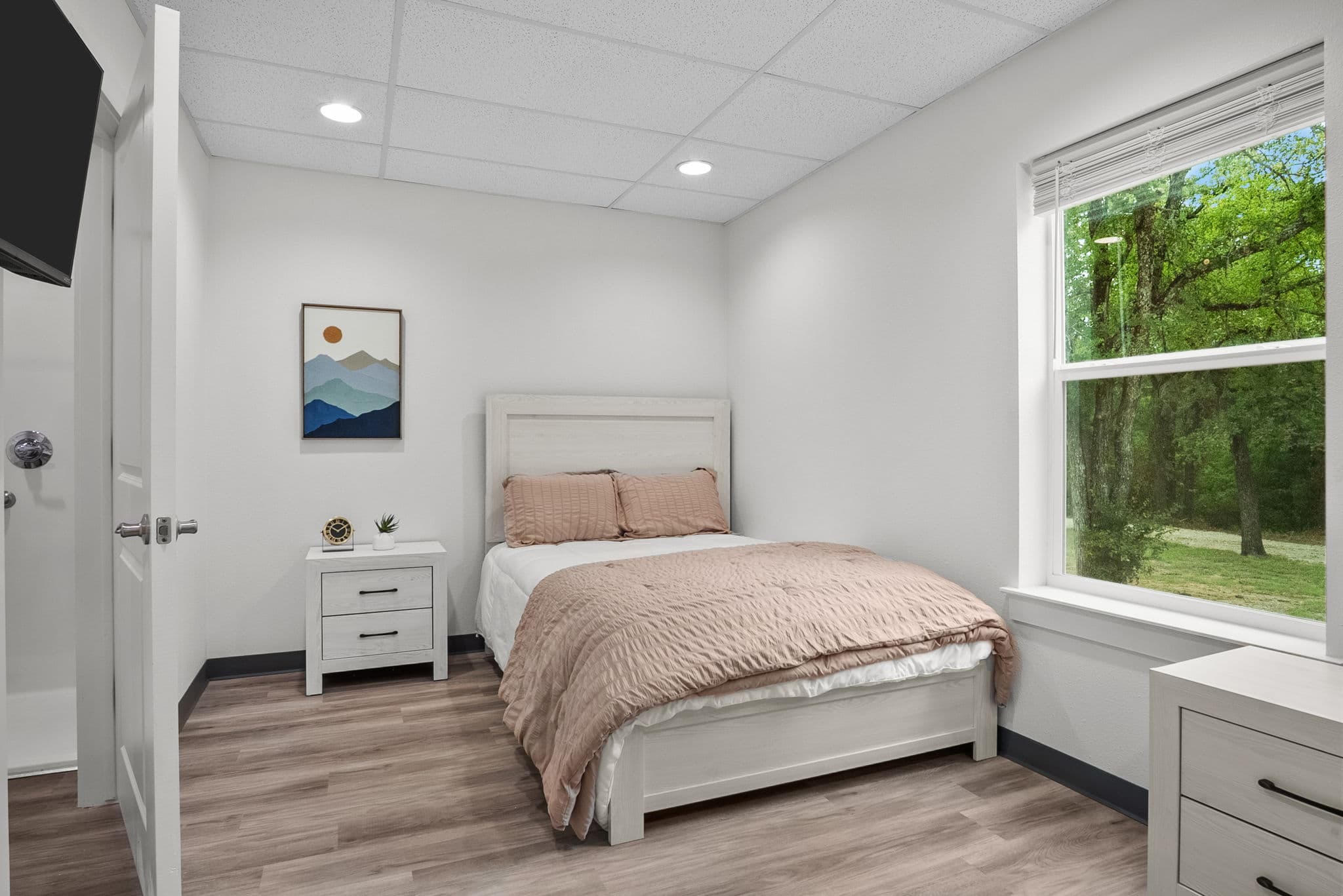
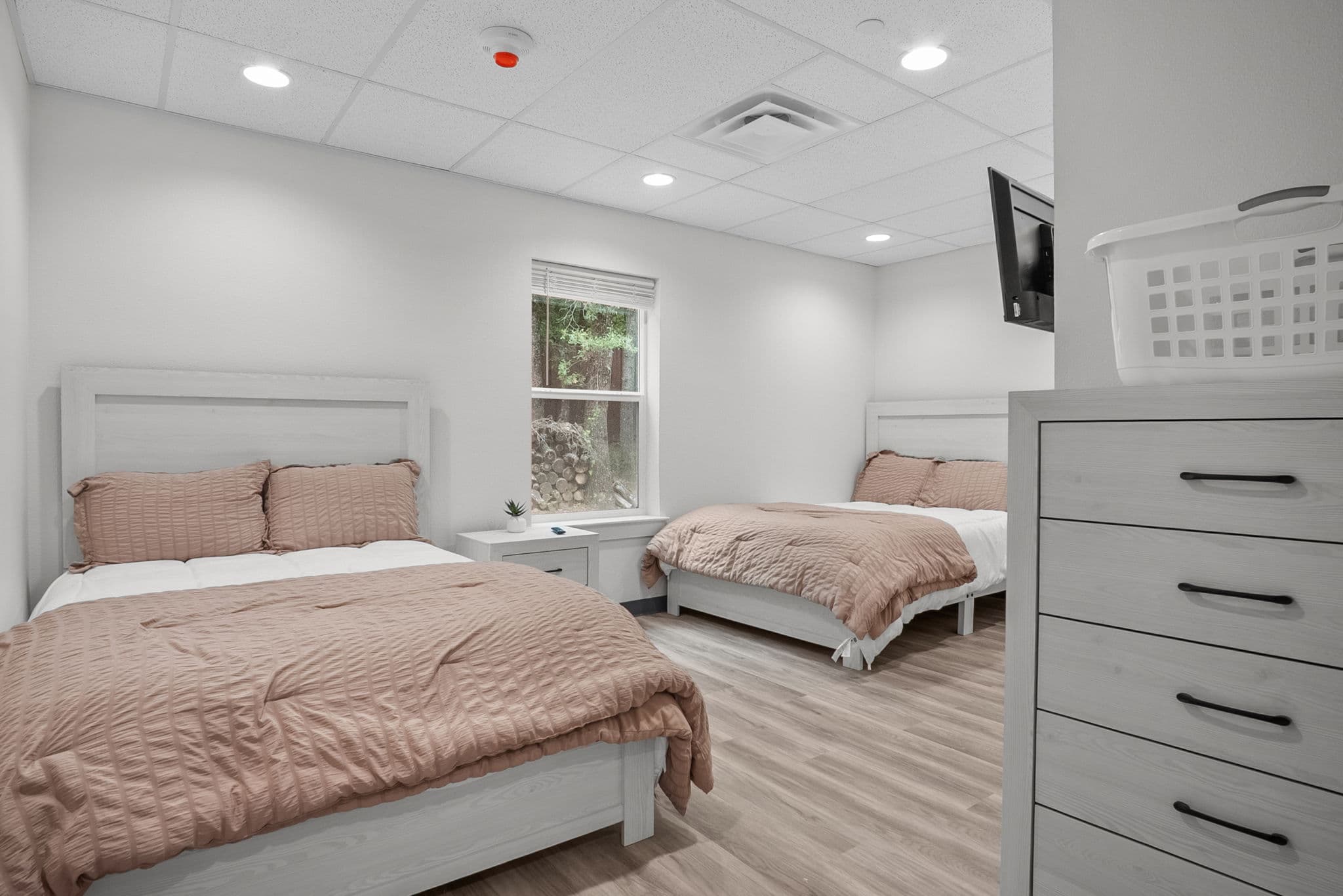
An inpatient program is where you check into a rehab facility and live at the facility for your program length. This means you have access to specialists and medical professionals 24 hours per day, with a consistent schedule that includes multiple counseling activities, therapies, and activities. Inpatient rehab is often suggested for people who might struggle with painful withdrawal symptoms, co-occurring mental health conditions, or those with a history of relapse.
If an inpatient program has been suggested for you, it’s pretty common to wonder: how long is inpatient rehab?
How Long are Inpatient Programs?
Rehab length-of-stay typically comes in three forms:
- 30 Days
- 60 Days
- 90 Days
For this reason, you can choose a rehab program length that fits your schedule. Some people utilize Federal benefits or company-wide vacation days that allow for 90 days or longer to treat personal health problems. Other people may not have access to this level of time off, but they can take 30 days off using vacation days and sick days, in which case the shorter program might be more feasible. Individuals with this option might choose a more extended inpatient program to address co-occurring mental health and substance abuse disorders.
No matter the program length, the daily routine and activities you enjoy throughout your stay remain the same. Your schedule focuses on individual and group therapy and counseling, holistic practices like yoga or meditation, and sober activities that you can do individually or as a group.
What Happens After Inpatient Rehab Ends?
Getting answers to questions like “” or “” might help you decide to get treatment, but what happens when your inpatient program ends?
It’s pretty standard for rehab facilities to ease your transition into your routine by offering outpatient services or long-term aftercare. This is the next step in your recovery where you no longer live at the treatment center, but you still return to the treatment center for ongoing counseling or individual therapy. Group meetings like AA or NA in your local area are a regular part of this continuous treatment. You get exposure to a network of support of community members and friends going through the same struggle.
The rehab program length for outpatient programs is often significantly longer than for inpatient ones. Depending on your situation, you could receive ongoing therapy and holistic treatment for your addiction for three months, six months, or one year. After returning to your rehab facility for a longer outpatient program length, you might continue your aftercare for the rest of your life, attending local meetings and engaging in sober recreational activities with the support of community members, friends, or family.
How to Find Inpatient Treatment Programs Near Me
If you are ready to find inpatient treatment programs in Dallas, start by inquiring about different rehab program lengths. Don’t be afraid to ask each facility how long their inpatient programs are and whether they have flexible options like 30 days versus 90 days. It’s important to know what program length is most suitable for your personal and professional life. Consider speaking with your HR department about options for taking time off for health conditions. You don’t have to specify drug addiction or mental health conditions; you can make soft inquiries to understand better which program length might suit you.
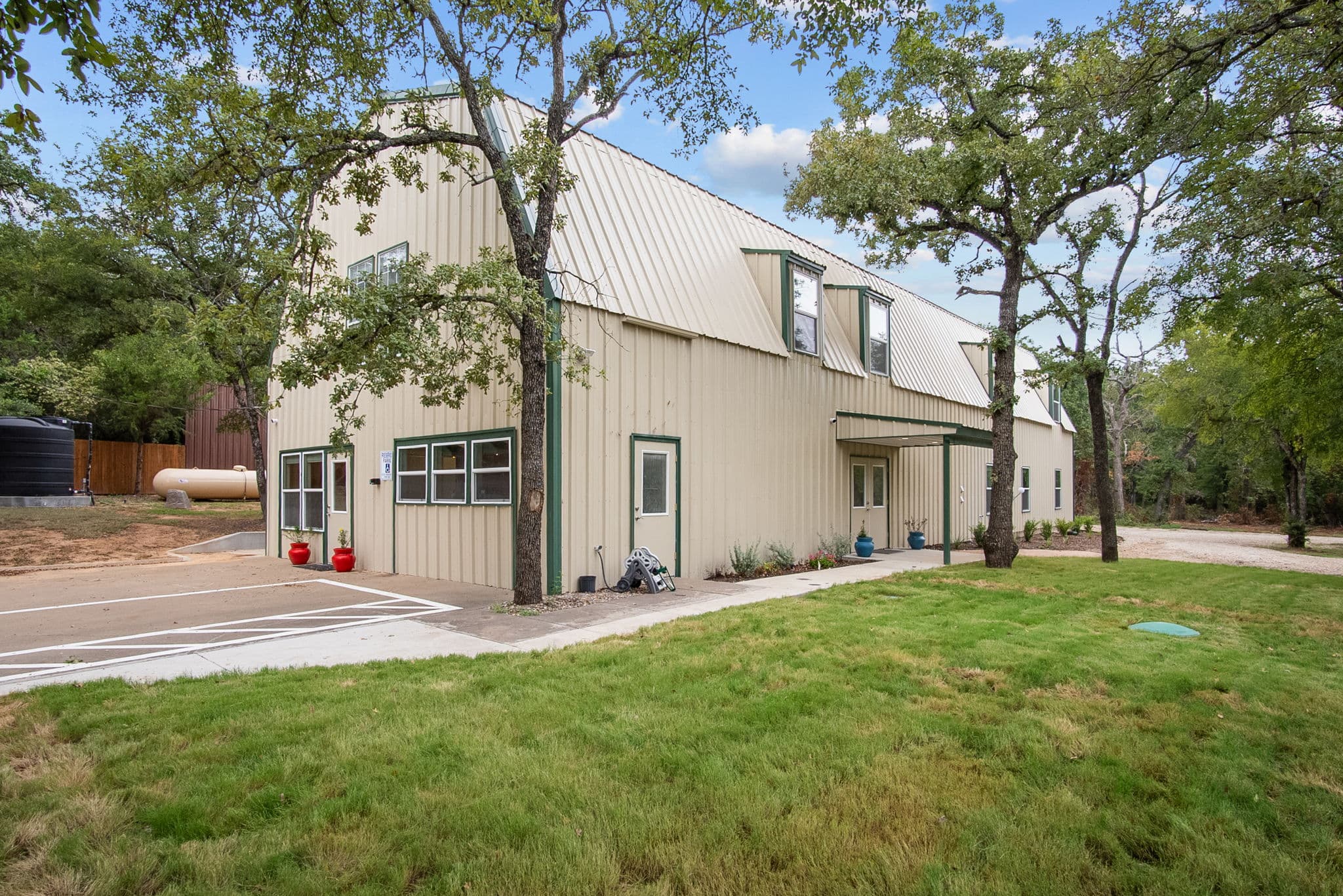
Make sure you find centers specializing in Texas dual diagnosis treatment if you have underlying mental health conditions with your addiction. At Dallas Detox, we specialize in dual diagnosis inpatient treatment programs. Our Dallas treatment facility understands the importance of treating mental health conditions and addiction together. Recent statistics indicate that half of the people who get help for mental health conditions also struggle with addiction and tend to influence one another and exacerbate one another. To stop that cycle and get customized support for your addiction, we provide personalized recovery plans that include initial detoxification, inpatient rehab length of stay programs to fit your schedule, and subsequent aftercare.
Let Dallas Detox find a rehab program length that works for you.